- Home
- Trend
- Weight Loss Strategies
- Acne Tips
- Hair Health Information
- Blemish Removal Tips
- Acne Scar Removal Tips
- Muscle Building Techniques
- Intimate Care Tips
- Postpartum Intimate Care
- Eye Bags Wiki
- Tips for Face Slimming
- Secret of Permanent Hair Removal
- Breast Enlargement Tips
- Cure to Snoring
- Marionette Lines
- Skin-Tightening Secrets

Vaginal itching and dryness affect countless women and should never be ignored. But what exactly causes this frustrating (and often awkward) issue, and how can it be treated or prevented? Here’s a breakdown of the 9 common causes of vaginal itching, how to treat it, and what you can do daily to protect your intimate health.

1. The #1 Cause of Vaginal Itching: Yeast Infections
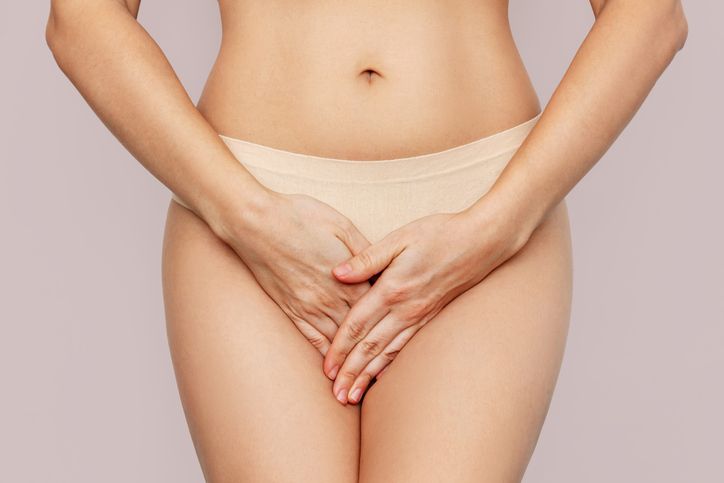
Experiencing vaginal itching, dryness, or even discomfort while walking or going about your day? You may have a yeast infection (Candidiasis). According to doctors, yeast infections are one of the most common causes of vaginal discomfort.
Surprisingly, 7 to 8 out of 10 women will experience a yeast infection at some point. Candida naturally exists in the vagina, but under normal immune function, the body keeps it in balance. However, factors like tight underwear, hormonal imbalances, or excessive friction can disrupt this balance, increasing the risk of infection or recurrence.
2. Signs of a Yeast Infection

If vaginal or vulvar itching is caused by a yeast infection, you may also notice:
• Itching in the vaginal area
• Redness and swelling around the vulva
• Burning sensation when urinating
• Discharge resembling cottage cheese
• Changes in discharge color
• An unusual or foul vaginal odor
免費體驗
Fotona Vaginal Tightening Machine
1 Minute Self-Registration
Date should not be before minimal date
3. Who’s at Higher Risk of Yeast Infections?
You may be more susceptible to yeast infections if you:
1. Have a weakened immune system
2. Have diabetes
3. Are taking immunosuppressant medications
4. Are pregnant
5. Are breastfeeding
6. Take birth control pills
7. Use antibiotics frequently
4. How to Treat Vaginal Itching Caused by Yeast Infections
1. Vaginal suppositories
Doctors often prescribe antifungal suppositories, available in high (500mg) or low (100–200mg) doses. A high dose may only require one treatment, while lower doses typically require a course of 3–7 days.
2. Oral medications and topical creams
If yeast infections are recurrent or severe, oral medications may be necessary. Doctors might also recommend preventative suppositories or external creams to relieve itching and hydrate the area, especially if external irritation is present.
5. Other Conditions That Can Cause Vaginal Itching
Trichomoniasis
A sexually transmitted infection with an incubation period of 4–20 days. About half of those infected show no symptoms. Others may develop vaginitis, increased discharge (yellow-green, with odor), and a burning sensation during urination or sex.
Cervical polyps
These benign growths on the cervix may cause vaginal discomfort, itching, irregular bleeding, or bleeding after intercourse.
Cervical erosion
Often found in women who are sexually active, take birth control, or have given birth. It causes the cervix to appear red and rough and may lead to changes in discharge or mild vaginal itching—but is usually non-serious.
免費體驗
Fotona Vaginal Tightening Machine
1 Minute Self-Registration
Date should not be before minimal date
6. How to Self-Check Vaginal Discharge for Signs of Infection
If you're experiencing itching, it's a good idea to examine your vaginal discharge. Seek medical attention if you notice:
• A change in discharge color (white, gray, yellow, or green)
• Cottage cheese, pus-like, foamy, or cheesy textures
• Blood-tinged discharge
• Strong odor (fishy or foul)
• Burning sensation in the vagina
• Frequent urination or pain when urinating
• Soreness, lesions, or bumps near the vulva
• Rough vaginal surface
• Pain or burning during sex
7. 9 Common Causes of Vaginal Itching
1. Hot weather
Summer heat and sweating can create a damp environment around the intimate area, encouraging bacterial overgrowth and yeast infections—especially for women with a history of vaginitis.
2. Skin conditions or STDs
Chronic skin conditions (eczema, allergic reactions, or immune-related disorders) and some sexually transmitted infections can present as vaginal itching. Never ignore the possibility of transmission through sexual contact.
3. Sensitivity to pads or pantyliners
Some women are allergic to certain materials in sanitary pads or liners. Switching to cotton-based products or avoiding liners altogether may help. If itching persists, seek a doctor’s advice and consider a prescription cream.
4. Post-intercourse itching
If itching occurs after sex, gently clean the area immediately using fragrance-free baby wipes or plain water. Also, try urinating right after to help reduce the risk of UTIs, yeast infections, and discomfort.
5. Over-cleansing
Using vaginal cleansers or soaps is not necessary unless there's an existing issue. Over-washing with hot water or douching can dry out and irritate the area, disrupting the natural balance and encouraging infections.
6. Psychological stress
Stress can lower immunity and throw off your hormones, creating the perfect conditions for yeast overgrowth. This is why women under high stress or those with diabetes are more prone to recurring infections.
7. Postpartum breastfeeding
Nursing mothers often experience vaginal dryness and itching due to lower estrogen levels caused by prolactin (the milk-producing hormone), which reduces natural vaginal lubrication.
8. Tight or non-breathable underwear
Wearing tight clothing or synthetic materials can cause constant friction and irritation, leading to itching or even minor abrasions—raising your risk for infections.
9. Poor hygiene habits
Not changing pads or liners frequently enough can trap moisture and bacteria. Change them every 4 hours and avoid placing tissues or towels in your underwear, which can worsen the irritation.
8. What Should You Do When You Experience Vaginal Itching? When Is It Time to See a Doctor?
If the itching is mild and only happens occasionally: It might be caused by a sudden allergic reaction around the vulva or vaginal area. Try identifying possible triggers such as tight clothing or underwear, unsuitable fabric, heat and sweat buildup, or excessive walking or physical activity. Make immediate adjustments where possible. You can gently cleanse the vulva using warm water or baby wipes to remove irritants and soothe the area. Applying a cold compress wrapped in a towel for a short period may also help. Then, change into clean, breathable underwear and clothing. Monitor the symptoms—if the itching doesn’t improve or gets worse, seek medical advice promptly.
If the itching is recurring or you've had vaginitis before: Recurrent vaginal itching could indicate a relapse of vaginitis, which is common. If you’re unable to manage the condition yourself, or if the itching is affecting your quality of life, you may notice other symptoms such as roughness inside the vaginal canal, abnormal or foul-smelling discharge, red bumps, or raised skin around the vulva. In these cases, consult a doctor immediately—don’t wait for symptoms to worsen.
9. How Can You Prevent and Improve Vaginal Itching in Daily Life?
Personal Hygiene Tips
1. Clean the vulva properly
Avoid over-washing. Many women use feminine washes or douche products daily, but doctors recommend simply rinsing the outer vulva gently with water once a day. Over-cleaning can disrupt vaginal pH and increase the risk of infections.
2. Skip baths and scented products
Women who are prone to irritation or have had vaginitis should avoid soaking in bathtubs. Stay away from fragranced body washes, soaps, and feminine hygiene products. Shampoo and conditioner should also be kept away from the vaginal area.
3. Don’t wait until your bladder is bursting
Avoid delaying urination for too long. Use soft, unscented, white toilet paper. If you use panty liners or sanitary pads, opt for 100% cotton and fragrance-free products.
Clothing Tips
1. Choose loose, breathable clothing
Wear cotton-based, loose-fitting pants or skirts. Avoid tight hosiery or synthetic fabrics.
2. Underwear care
Unless you have heavy vaginal discharge, daily use of panty liners isn’t necessary. Make sure your underwear and anything that touches your vulva is washed thoroughly. Change your underwear daily, and avoid using fabric softeners, as residues can irritate sensitive skin.
During Sex
1. Be cautious with lubricants
If you experience itching or discomfort, avoid sexual activity. Refrain from using water-based or petroleum-based lubricants, especially if you have a known sensitivity. Some women are also allergic to glycerin in lubricants. Water-based options can even make the vagina feel drier for some.
2. Clean up after sex
If you feel itchy or a burning sensation after sex, apply a cold compress wrapped in a towel to the vulva. Use unscented wipes or warm water to gently clean the area, and remember to urinate soon after intercourse.
Exercise Tips
1. Avoid pressure on the vulva If you're already experiencing discomfort or vaginal sensitivity, avoid activities like cycling that put pressure on the vulva. Also avoid using public pools, saunas, or hot baths.
2. Post-workout hygiene After exercising, change out of your workout clothes or swimsuit as soon as possible. Ideally, shower and rinse the vulva with water to prevent sweat from causing irritation.
Daily Lifestyle Tips
1. Use a cushion if sitting for long periods
Avoid prolonged pressure on the vaginal area by standing up and moving around periodically. Use a soft seat cushion for added comfort.
2. Manage stress levels
Stress can impact vaginal health. It can lead to dryness and itching due to hormonal imbalances and reduced natural discharge. Identifying and reducing sources of stress can support overall vaginal wellness.
免費體驗
Fotona Vaginal Tightening Machine
1 Minute Self-Registration
Date should not be before minimal date
9. Real Review: A Mom of Three Tries a Vaginal Rejuvenation Treatment to Ease Itching—Does It Work After Just One Session?
After three pregnancies, vaginal health becomes a real concern. For me, the biggest problem was that symptoms like dryness and itching got worse as I got older. Recently, a fellow mom recommended vaginal tightening treatments that help restore moisture and reduce irritation.
After doing some research, I chose to go with Perfect Medical. Since it’s founded by doctors and is a publicly listed company, I felt much more confident—especially because treatments like this involve intimate areas, and safety is key.
The treatment I tried was the Fotona Vaginal Tightening Machine, which uses patented 360-degree gold laser technology from Europe. This non-invasive treatment stimulates collagen regeneration in the vaginal walls, helping restore moisture and firmness—and best of all, it helps stop the itching!
When I arrived at Perfect Medical, the consultant was incredibly thoughtful and walked me through a personal consultation first. She asked about my symptoms and clearly explained the treatment process. I could ask anything and didn’t feel rushed or pressured at all.
I was honestly nervous that the laser would be painful or uncomfortable ????, but it wasn’t bad at all! I only felt a gentle warmth throughout the procedure, and the therapist checked in regularly to make sure I felt okay.
Right after the treatment, I noticed an immediate sense of hydration—my vaginal area felt significantly less dry and itchy. Within two weeks, the burning sensation I used to get from dryness was 90% gone! I also stopped experiencing embarrassing discomfort in daily life.
Moms, don’t forget: your intimate health matters just as much as skincare! After giving birth, dryness and itching are really common, so instead of guessing and using random creams, I recommend turning to professionals like Perfect Medical. Their Fotona treatment can improve hydration, reduce discomfort, and even firm and brighten the vaginal area.
They’re currently offering a free trial session of the Fotona Vaginal Tightening Machine, so if you’re looking to improve your intimate health, don’t miss this chance!
免費體驗
Fotona Vaginal Tightening Machine
1 Minute Self-Registration
Date should not be before minimal date
FAQ

What’s the most common cause of vaginal and vulvar itching?
According to doctors, the leading cause is a yeast (candida) infection. Candida naturally lives in the vagina, but factors like tight clothing, hormonal imbalances, friction, or stress can disrupt the balance of good and bad bacteria—leading to infection and symptoms like redness, itching, unusual discharge, and painful urination.
What are some possible causes of vaginal itching?
Poor hygiene habits
Who is more likely to develop vaginal itching or infections?
People who frequently take antibiotics
How can I treat or prevent vaginal itching?
Treating the issue starts with identifying the cause. If it’s due to bacterial or fungal infections, eczema, or hormonal imbalances, a doctor can prescribe targeted treatments such as vaginal suppositories.
What is the Fotona Vaginal Tightening Machine and how does it help?
The Fotona treatment is designed to enhance overall vaginal health, ease dryness, and relieve itching. Using patented 360-degree laser technology, it stimulates collagen production inside the vaginal walls, restoring moisture and firmness. It can also improve the appearance of the vulva, making it look more youthful and toned.