- Home
- Trend
- Weight Loss Strategies
- Acne Tips
- Hair Health Information
- Blemish Removal Tips
- Acne Scar Removal Tips
- Muscle Building Techniques
- Intimate Care Tips
- Postpartum Intimate Care
- Eye Bags Wiki
- Tips for Face Slimming
- Secret of Permanent Hair Removal
- Breast Enlargement Tips
- Cure to Snoring
- Marionette Lines
- Skin-Tightening Secrets

When it comes to Pico Laser, most people immediately associate it with pigmentation removal. In fact, this popular aesthetic technology offers a range of benefits beyond fading dark spots—it can also help reduce acne scars, brighten the complexion, and smooth out fine lines and wrinkles.
With today’s rapidly advancing medical aesthetic technology, beauty clinics are offering a dizzying variety of Pico Laser treatments, making it hard to decide which one is right for you. In this article, we’ll break down the key benefits of Pico Laser, explain the differences between common types of laser technology on the market, highlight post-treatment care tips, and share a real-user experience to help you better understand what to expect.

What Is Pico Laser?
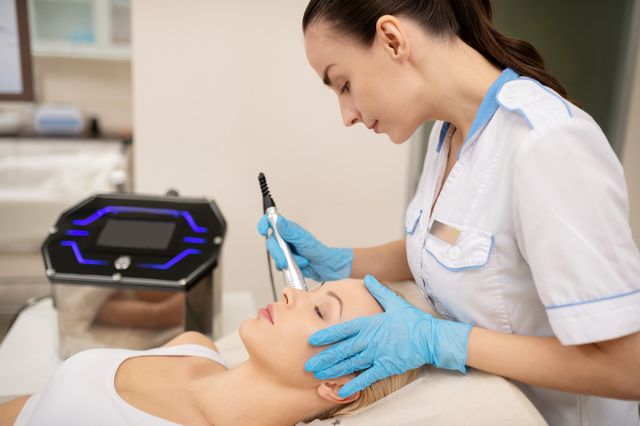
Also known as “Pico Laser Treatment,” “Pico Pigmentation Removal,” or simply “Pico,” this technology is one of the most sought-after treatments in modern skincare. The term “pico” refers to a unit of time—one picosecond equals one trillionth of a second. This ultra-short pulse duration allows laser energy to penetrate the skin more efficiently than traditional lasers.
Pico Laser uses a photoacoustic (light shockwave) effect combined with high-energy pulses to shatter melanin into fine dust-like particles, allowing the body’s lymphatic system to absorb or flush them out. Because the laser energy stays on the skin for less time, there’s a lower risk of thermal damage, making the treatment safer with fewer side effects.
In addition, Pico Laser triggers a photomechanical effect that stimulates collagen and elastin production deep in the skin, helping to improve skin structure and restore a youthful appearance.
Dermatologist-Approved: 6 Key Benefits of Pico Laser
i. Fade Pigmentation
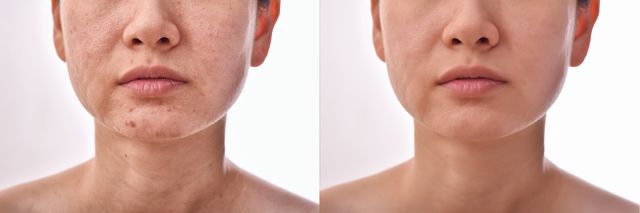
Pico Laser is best known for its pigmentation-fading effect. It targets melanin deposits deep in the skin, breaking them down into smaller fragments that the body can naturally eliminate. This makes it effective for treating sunspots, hormonal pigmentation, age spots, and freckles.
ii. Prevent Future Pigmentation
Besides treating existing dark spots, Pico Laser can also eliminate melanin that’s still hidden beneath the surface. While not yet visible, this underlying melanin can eventually surface as pigmentation. Clearing it early helps brighten dull skin and reduces the chance of future spot formation.
iii. Treat Acne Scars
Acne-related inflammation often triggers excess melanin production and microvascular dilation, leaving behind stubborn red or dark marks even after breakouts heal. Pico Laser shatters the residual pigment and also boosts collagen regeneration, which helps smooth out acne-scarred skin and uneven texture.
iv. Soften Fine Lines and Wrinkles
As we age, collagen loss leads to sagging and wrinkling. Pico Laser stimulates collagen-producing fibroblasts and reorganizes skin structure, helping to smooth out fine lines and restore firmness. However, for deeper wrinkles, Pico Laser may need to be combined with treatments like Botox, HIFU, or thread lifting for optimal results.
v. Improve Skin Texture
Healthy collagen is key to plump, youthful skin. Pico Laser promotes collagen and elastin synthesis, improving skin elasticity and addressing concerns like enlarged pores, roughness, and mild sagging, resulting in a more refined, radiant complexion.
vi. Tattoo Removal
Pico Laser can also remove tattoo pigments. Traditional lasers use heat, which often causes pain and scarring. Pico Laser, with its photoacoustic effect, breaks down ink particles more safely and effectively, reducing the risk of hypopigmentation or hyperpigmentation.
免費體驗
PicoCure Pigmentation Removal Treatment
1 Minute Self-Registration
Date should not be before minimal date
Different Wavelengths = Different Results
If you've researched Pico Laser treatments before, you may have noticed that different procedures advertise different wavelengths. A common misconception is that a higher wavelength equals better results—but in truth, each wavelength serves a different purpose and suits different skin needs. Choosing the right one depends on your individual concerns.
Here’s a breakdown of common wavelengths:
• 532nm: Targets superficial pigmentation like sunspots, freckles, and age spots.
• 595nm: Treats redness caused by acne or dilated capillaries.
• 755nm: Penetrates deeper layers to treat melasma, age spots, and birthmarks. Can also be used for hair removal.
• 810nm: Disrupts hair follicle activity, making it effective for permanent hair reduction.
• 1064nm: Penetrates deeply to remove dark or brown pigment; also used for tattoo removal, skin brightening, and hair removal.
• 2940nm: Commonly used for mole removal, resurfacing, and treating acne scars. Also used in some treatments for skin tumors.
What’s the Difference Between Pico, Nano, and Honeycomb Pico Lasers?
i. Nanosecond Laser (Traditional Laser)
This is the original laser technology. “Nanosecond” refers to one-billionth of a second—1,000 times slower than a picosecond. As a result, the laser energy stays on the skin longer, increasing the risk of heat damage and side effects.
Traditional lasers rely on photothermal effects to destroy melanin, which means the laser heats up the pigment to break it apart. This method is more likely to burn the skin and cause post-inflammatory hyperpigmentation or hypopigmentation.
ii. Honeycomb Pico Laser (PicoSure)
Honeycomb Pico Laser, also known as PicoSure, builds on standard Pico technology by incorporating a honeycomb lens (MLA). This lens refracts laser beams into multiple focus points, allowing energy to be delivered in microbursts.
This creates localized “LIOB” (Laser-Induced Optical Breakdown) bubbles beneath the skin without damaging the surface. It triggers the skin’s self-healing response, enhances collagen regeneration, and improves pigmentation, acne scars, and uneven texture.
Post-Treatment Aftercare: 4 Things to Remember
i. Use Sun Protection
UV rays can worsen pigmentation and slow recovery. After treatment, always apply broad-spectrum sunscreen and avoid prolonged sun exposure.
ii. Keep Skin Hydrated
Redness, itching, or peeling may occur due to dryness. Use hydrating products and soothing sheet masks to support skin recovery and enhance treatment effects.
iii. Avoid Exfoliation
Exfoliating too soon after treatment may irritate or damage the skin barrier. Wait until your skin has fully healed before resuming exfoliation.
iv. Avoid Harsh Skincare
Avoid products containing acids, alcohol, or fragrance for at least a week post-treatment, as the skin will be more sensitive and prone to irritation.
免費體驗
PicoCure Pigmentation Removal Treatment
1 Minute Self-Registration
Date should not be before minimal date
Real-User Review: Does Perfect Medical’s PicoCure Laser Really Work?
With so many options on the market, choosing a Pico Laser treatment can be overwhelming.
I had sunspots on both cheeks and tried the PicoCure Pigmentation Removal Treatment from Perfect Medical. This U.S.-origin treatment uses four different wavelengths to break down melanin more effectively at the root level.
According to their website, PicoCure combines nanosecond and picosecond technology. First, nanosecond laser breaks down the melanin into pebble-sized particles. Then, picosecond laser further shatters it into dust-like fragments for faster elimination.
The treatment also promotes collagen production, helping to fade acne marks, smooth out scars, and refine skin texture.
I’ve always loved hiking and the outdoors—and pigmentation runs in my family. My mom and grandmother both developed sunspots at a young age, so I wasn’t surprised when I started noticing them too.
A friend recommended Perfect Medical for their reputation and positive reviews, so I gave it a shot. I’d never tried laser before, let alone ultra-pico. The consultant was patient and thorough, answering all my questions, explaining the root causes of my pigmentation (genetics + UV damage), and giving me great post-treatment tips.
The procedure felt milder than expected—like gentle rubber band snaps. After doing a full face pass, the technician focused extra laser on the more pigmented areas. I felt completely at ease.
Three to four days later, I noticed my spots visibly lightening. By the end of the first week, they had faded by about 30%! I was so impressed that I went back to purchase a full treatment course (your required sessions may vary depending on your pigmentation type and severity).
Thanks to the blog editor for inviting me to share my experience—and if you're curious, Perfect Medical still offers a free first trial for the PicoCure Pigmentation Removal Treatment. Click the link below to learn more or book your session!
免費體驗
PicoCure Pigmentation Removal Treatment
1 Minute Self-Registration
Date should not be before minimal date
FAQ

How does Pico Laser work?
It uses high-energy pulses and a photoacoustic effect to shatter melanin into tiny particles, allowing the body to naturally eliminate them. It also stimulates collagen and elastin production, improving skin texture and elasticity.
What’s the difference between Pico and traditional lasers?
Pico uses sound waves (photomechanical effect), while traditional lasers use heat (photothermal effect). Pico lasers are faster, safer, and cause less skin damage.
What are the skin benefits of Pico Laser?
It effectively treats sunspots, hormonal pigmentation, freckles, acne scars, fine lines, large pores, and dullness. It also improves skin texture and elasticity.
Are there any side effects?
Some users may experience redness, itching, peeling, or temporary light/dark patches after treatment.
How many sessions are needed for pigmentation removal?
Mild spots may fade after 4–6 sessions, while deeper pigmentation could require 10–12 treatments.