- Home
- Trend
- Weight Loss Strategies
- Acne Tips
- Hair Health Information
- Blemish Removal Tips
- Acne Scar Removal Tips
- Muscle Building Techniques
- Intimate Care Tips
- Postpartum Intimate Care
- Eye Bags Wiki
- Tips for Face Slimming
- Secret of Permanent Hair Removal
- Breast Enlargement Tips
- Cure to Snoring
- Marionette Lines
- Skin-Tightening Secrets

Many people in Hong Kong struggle with an itchy scalp, often accompanied by dandruff, oily buildup, or even scalp acne. To truly get relief, it’s crucial to identify the root cause so that targeted treatment can be applied—and to lower the chance of recurring irritation. In this article, we’ll walk through the common causes of an itchy scalp, effective remedies, and daily tips for prevention, all aimed at helping you achieve a healthier scalp.

7 Common Causes of an Itchy Scalp—Which One Applies to You?
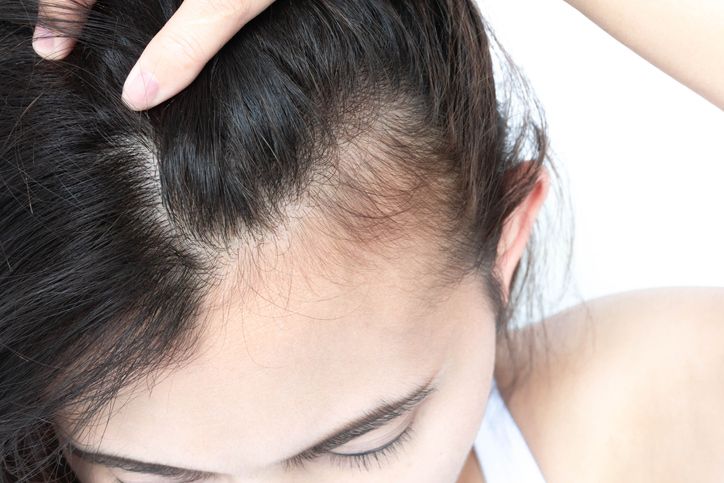
1. Atopic Dermatitis
Atopic dermatitis is a skin condition that can compromise the scalp’s natural barrier, causing it to lose moisture and become dry and itchy. People with this condition are also more prone to allergic reactions from the chemicals found in hair products, which can further irritate the scalp and worsen the itch. In more severe cases, the scalp may also become infected with bacteria or fungi, leading to increased discomfort.
2. Seborrheic Dermatitis
This condition is more common among those with oily scalps and is closely linked to excess sebum production. It typically affects areas with high oil levels, such as the crown of the head or behind the ears, causing redness, flaking, and itchiness. The condition often worsens with changes in temperature or humidity, leading to seasonal flare-ups.
3. Environmental Factors
Extended exposure to hot, humid environments can lead to excessive sebum production, creating the perfect conditions for fungal overgrowth like Malassezia, which causes dandruff and scalp irritation. On the other hand, staying too long in air-conditioned rooms can dry out the scalp, prompting the skin to produce more oil to compensate—ultimately triggering itchiness and flakes.
4. Imbalanced Scalp pH
A healthy scalp typically has a pH between 4.5 and 5.5. This slightly acidic level acts as a protective barrier. Using harsh shampoos or products with high pH levels can disrupt this balance, leading to dryness, excess oil production, and itchiness. Hair dye chemicals can also alter scalp pH and irritate the skin, resulting in similar issues.
5. Head Lice
Head lice (Pediculus humanus capitis) are tiny parasites that feed on blood from the scalp. Though hard to spot with the naked eye, they can cause intense itchiness through their saliva, which triggers allergic reactions—much like mosquito bites. The crawling of lice across the scalp can also lead to discomfort and irritation.
6. Overwashing the Hair
People with oily scalps often wash their hair multiple times a day to combat grease. However, over-washing strips the scalp of its natural oils, compromising its protective barrier and making it more prone to dryness, tightness, and itching. To maintain a healthy balance, it’s best to avoid excessive shampooing.
7. Excessive Stress
High levels of stress and anxiety can disrupt the immune system and impair blood circulation, affecting scalp health and triggering inflammation and itchiness. In severe cases, chronic stress may even lead to stress-induced hair loss.
When You Experience Scalp Itch Matters—Here's Why
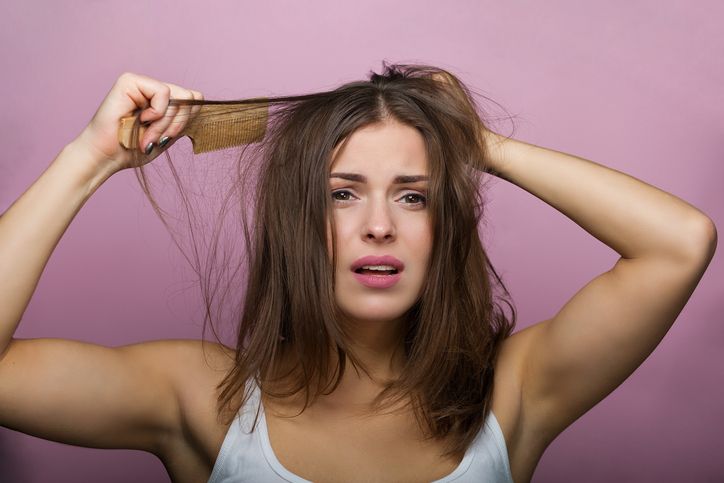
While itchiness feels the same, the timing of your symptoms can reveal different underlying issues. Dermatologists suggest that itchy scalp problems generally fall into three categories based on when they occur:
Before Washing Your Hair
This often indicates oil buildup, where excess sebum clogs the hair follicles, leading to irritation.
After Washing Your Hair
This could be caused by over-cleansing. Shampoos with strong surfactants may strip the scalp of its natural oils, leaving it dry and itchy.
Persistent Itchiness
Ongoing discomfort may point to conditions like seborrheic dermatitis, overgrowth of fungi like Malassezia, or even psoriasis. In these cases, treatments like olive oil-based moisturizers, corticosteroid creams, or tar shampoos may help—but it’s best to consult a dermatologist for proper diagnosis and treatment.
免費體驗
F8 Hair Regrowth Treatment
1 Minute Self-Registration
Date should not be before minimal date
How to Stop an Itchy Scalp: 4 Key Remedies
1. Use Gentle Shampoos
Choose mild shampoos free of irritants like SLS, SLES, or ALS—common cleansing agents that may worsen dryness or irritation. Always check labels and discontinue use if any product causes discomfort.
2. Massage the Scalp
Daily scalp massages promote blood circulation, helping to deliver nutrients to the follicles and improve scalp health. According to Traditional Chinese Medicine, massaging pressure points like Tianzhu, Jiaosun, Shenting, Taixi, and Taichong can enhance overall scalp vitality.
3. Use Medicated Shampoos
Medicated shampoos often contain anti-inflammatory or antifungal ingredients that can effectively relieve itchiness. However, even these should not be used excessively, as overuse can dry out the scalp.
4. Seek Dermatological Advice
If the itchiness is caused by inflammation, fungal infections, or other skin disorders, professional diagnosis and prescription treatments are often necessary.
Everyday Tips to Prevent and Ease Scalp Itching
1. Change Your Pillowcase Regularly
Pillowcases come into daily contact with your scalp and can accumulate oils, dust mites, sweat, and bacteria. To prevent irritation, wash and replace them at least once a week using detergent. Opt for breathable materials like cotton or silk.
2. Improve Your Diet
Oily scalp and clogged follicles are often linked to poor dietary habits. Cut back on spicy, greasy, or sugary foods, and increase your intake of scalp-friendly nutrients such as vitamins B, C, E, as well as zinc and iron.
3. Reduce Hair Dye and Bleach Treatments
Chemical treatments like bleaching and coloring can harm the scalp, triggering itchiness, dryness, and allergic reactions. Reducing their frequency can help maintain scalp health.
4. Maintain a Healthy Routine
Late nights and irregular schedules can impair blood circulation and nutrient delivery to the scalp. Getting adequate sleep and managing stress is key to both overall and scalp health.
Perfect Medical’s F8 Hair Regrowth Treatment—A Total Scalp Solution
Though scalp itchiness may not seem serious at first, ignoring it can lead to inflammation, acne, or even hair loss. To prevent long-term damage, consider trying Perfect Medical’s F8 Hair Regrowth Treatment—a comprehensive solution for restoring scalp health.
Using advanced soft laser technology, the F8 treatment stimulates the scalp and hair follicle cells to improve blood flow and nutrient delivery. This not only relieves scalp discomfort but also strengthens hair and reduces shedding. When combined with their world-class hair serum, the results can be even more dramatic.
Perfect Medical is now offering a free trial session of the F8 Hair Regrowth Treatment. Don’t miss out if you’re ready to take control of your scalp health!
Get the Trial: Perfect Medical F8 Hair Regrowth Treatment免費體驗
F8 Hair Regrowth Treatment
1 Minute Self-Registration
Date should not be before minimal date
FAQ

Can eczema cause scalp itchiness?
Yes. If eczema occurs on the scalp, it can lead to dryness and intense itchiness.
What factors cause an itchy scalp?
Common triggers include skin conditions, environmental factors, pH imbalance, head lice, over-washing, and high stress. Humid climates, strong shampoos, and poor lifestyle habits also contribute.
Why does my scalp still itch after washing?
You might be using a shampoo that's too harsh, stripping the scalp of natural oils and causing dryness and irritation.
How can I treat an itchy scalp?
Switch to gentle or medicated shampoos, massage the scalp regularly, and seek professional advice if symptoms persist.
What nutrients are essential for a healthy scalp?
Vitamin B, C, E, zinc, and iron all help improve circulation and moisture retention, keeping the scalp healthy and itch-free.