- Home
- Trend
- Weight Loss Strategies
- Acne Tips
- Hair Health Information
- Blemish Removal Tips
- Acne Scar Removal Tips
- Muscle Building Techniques
- Intimate Care Tips
- Postpartum Intimate Care
- Eye Bags Wiki
- Tips for Face Slimming
- Secret of Permanent Hair Removal
- Breast Enlargement Tips
- Cure to Snoring
- Marionette Lines
- Skin-Tightening Secrets

Women’s hair loss is becoming increasingly common among modern city dwellers. But thinning hair affects far more than appearance — when hair loss worsens over time, it may actually be a warning sign of underlying health issues. After all, the condition of your hair often reflects the state of your overall health, and your body may be signalling a red flag.
Below is a comprehensive breakdown of crucial health information explained by dermatologist Dr. Fung, including the 4 major warning signs of serious diseases, types of female hair loss, and effective ways to improve the condition. There’s also a little surprise waiting at the end!

How Female Hair Loss Develops: Understanding the Hair Growth Cycle
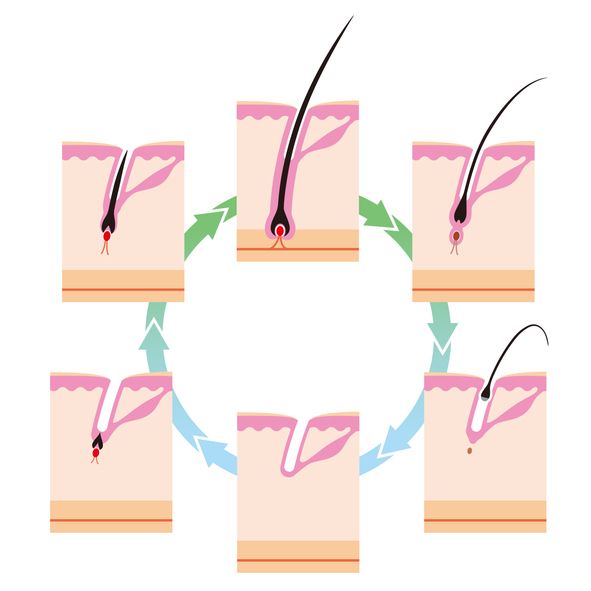
When the hair follicle growth cycle is disrupted by factors such as stress, hormonal imbalance or illness, hair may stop growing prematurely and enter a resting phase, causing slower regrowth or even follicle shrinkage. The condition of the scalp is closely tied to follicle function, so once damaged, it directly affects hair quality.
These disruptions often create hidden health issues — further damaging follicles and preventing healthy hair regrowth, eventually leading to visible female hair loss.
4 Main Causes of Female Hair Loss: Dermatologists Say Women Have More Triggers Than Men
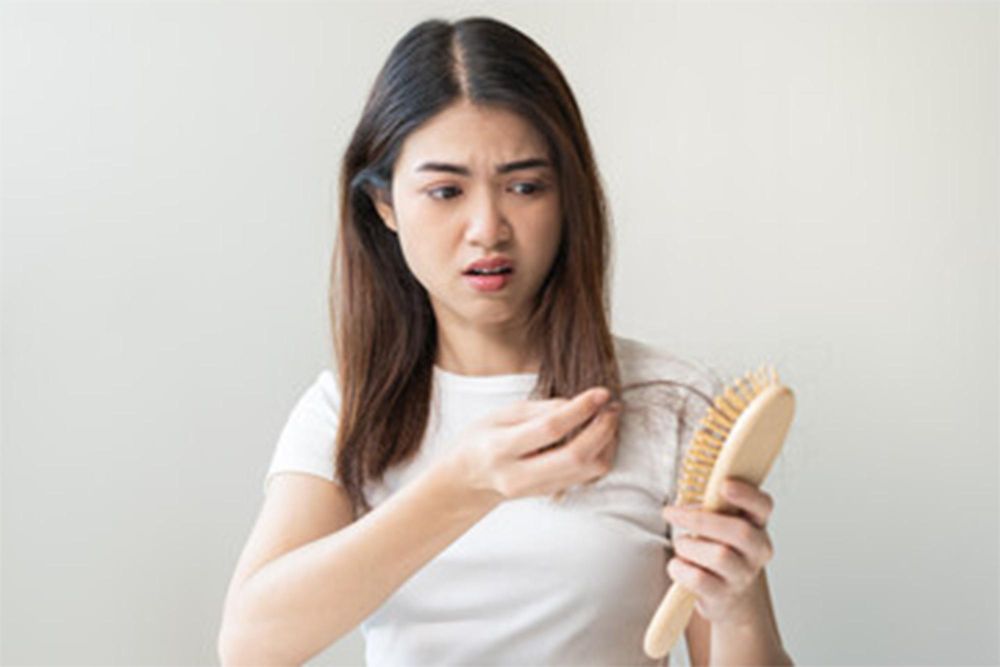
Dermatologist Dr. Lam explains that women face far more diverse causes of hair loss than men. Aside from age, stress and nutrition, many cases are linked to potential health problems.
Physiological Hair Loss: Common and Often Reversible
1. Age-related thinning
As women age, estrogen levels naturally decrease, reducing follicle activity. Hair becomes thinner, weaker and more prone to falling out.
2. Stress-related hair loss
Excessive physical or emotional stress disrupts hormonal balance and blood circulation, pushing hair prematurely into the resting phase and causing sudden shedding.
3. Postpartum and menopause-related changes
Fluctuating estrogen levels can abruptly alter the growth cycle. These types of hair loss typically recover within a few months.
Pathological Hair Loss: A Warning Sign of Underlying Illness
Some women experience hair loss due to medical conditions or internal dysfunction, including:
• Thyroid disorders, Polycystic Ovary Syndrome (PCOS) – both affect scalp metabolism and follicle performance.
• Autoimmune diseases or infections – such as lupus or syphilis, which can trigger hair loss.
• Medication effects – certain treatments may interfere with the growth cycle.
Traditional Health Perspective: Regulating internal balance to improve hair loss
From a holistic health viewpoint, hair quality is linked to adequate internal nourishment. If the body is weak, undernourished or imbalanced, hair may turn grey early or fall easily. Supporting internal wellness and improving circulation are common approaches for managing female hair loss.
Other Lifestyle Factors Not to Ignore
1. Frequent colouring or styling — chemical dyes, heat treatments and excessive pulling can damage the scalp and follicles.
2. Poor diet — lack of protein, iron or zinc may halt hair growth and cause premature shedding.
免費體驗
F8 Hair Regrowth Treatment
1 Minute Self-Registration
Date should not be before minimal date
5 Hair Loss Signs in Women That May Indicate Serious Illness
1. Severe shedding + dry, brittle hair
Often associated with hypothyroidism. Hair becomes dull and sparse, accompanied by fatigue, weight gain and constipation. A thyroid check is recommended.
2. Thinning hair + noticeably oily scalp
Often linked to hyperthyroidism. These patients may experience palpitations, weight loss, anxiety and rapid, patchy shedding around the hairline.
3. Thinning at the crown + receding density
A hallmark of female pattern hair loss. Women rarely go fully bald, but thinning spreads from the crown outward, often tied to genetics.
4. Round or oval bald patches
Typically caused by alopecia areata, an autoimmune condition. It appears suddenly and can be alarming, though often without other symptoms.
5. Irregular patchy hair loss + insect bite–like broken hairs
This can be a sign of secondary syphilis, often accompanied by rashes or swollen lymph nodes and requires medical testing.
Dermatologist Dr. Fung: Female Hair Loss May Point to 3 Major Health Issues
According to Dr. Fung, many patients focus only on the visible loss of volume but ignore internal systemic causes. When hair loss occurs alongside fatigue, menstrual irregularities, weight fluctuation or emotional changes, it may indicate deeper health imbalances.
1. Thyroid Disorders
Thyroid diseases are among the most common internal causes of hair loss. Overactive or underactive thyroid function disrupts the follicle cycle, causing fine, weak and thinning hair. Women noticing a receding density or dry, dull ends should check for thyroid irregularities.
2. Liver and Kidney Function
Impaired detoxification or hormonal regulation may reduce nutrient supply to follicles, resulting in breakage or even patchy bald spots. Symptoms like puffy eyes, exhaustion or dull skin may accompany this.
3. Androgen-related Issues
Elevated androgens in women can cause classic female pattern thinning at the crown and fuzzy or receding density. This is often linked to PCOS, stress or genetics. Fluctuations in estrogen, testosterone, thyroid hormones or cortisol all disrupt the follicle cycle.
Treatment & Improvement: 3 Key Strategies to Prevent Female Hair Loss
1. Medical Treatment
Hair loss must be treated based on its cause. If linked to medical disorders, stabilising the underlying condition is the priority. For example, thyroid imbalances should be monitored closely to avoid affecting follicle metabolism.
Common medical treatments include:
• Minoxidil (topical) – improves microcirculation and stimulates new growth.
• Finasteride (oral) – reduces DHT for androgen-related hair loss (requires medical evaluation).
2. Daily Habits & Scalp Care
Many women unknowingly worsen their shedding through incorrect washing or styling habits. Proper routine care and selecting suitable products help strengthen the hair shaft and protect follicle health.
3. Nutrition Tips from Dietitians
Nutritional deficiency is a major cause of female hair loss. Ensure adequate protein, minerals and vitamins — especially iron, zinc and biotin, which are crucial for follicle activity.
• Protein-rich foods: eggs, fish, beans
• Iron-rich foods: red meat, dark green vegetables
• Zinc-rich foods: oysters, pumpkin seeds, nuts
• Biotin-rich foods: eggs, walnuts, flaxseed
Iron supplements should be considered under professional advice, especially for those with low iron or anaemia.
免費體驗
F8 Hair Regrowth Treatment
1 Minute Self-Registration
Date should not be before minimal date
Can’t Identify the Cause of Your Hair Loss? Perfect Medical F8 Hair Regrowth Treatment Helps Restore Dense, Healthy Hair
Many young women wonder why they experience serious hair loss despite their age. Don’t worry — here’s the solution! The Perfect Medical F8 Hair Regrowth Treatment uses gentle low-energy medical laser technology to stimulate rapid regrowth in a completely painless and non-invasive way. It increases new hair density, reduces shedding and even improves scalp oiliness.
The treatment delivers medical-grade low-energy laser light evenly across the scalp, enhancing blood circulation, activating follicle cells and promoting cellular renewal. It restores the scalp environment and rebalances oil production — addressing issues such as diffuse thinning, receding hairline, telogen effluvium, oily scalp hair loss, postpartum shedding and stress-related hair loss.
免費體驗
F8 Hair Regrowth Treatment
1 Minute Self-Registration
Date should not be before minimal date
FAQ

1. What can I do about postpartum hair loss?
It typically improves naturally. Maintain a balanced diet and stay relaxed.
2. What if stress is causing my hair loss?
Adopt stress-relief habits such as exercise or meditation.
3. Can female pattern baldness be treated?
Yes — through medication or regrowth treatments.
4. Should I see a doctor for hair loss?
If shedding is unusually heavy, seek medical advice.
5. What foods help prevent hair loss?
Protein, iron, zinc and other essential nutrients.