- Home
- Trend
- Weight Loss Strategies
- Acne Tips
- Hair Health Information
- Blemish Removal Tips
- Acne Scar Removal Tips
- Muscle Building Techniques
- Intimate Care Tips
- Postpartum Intimate Care
- Eye Bags Wiki
- Tips for Face Slimming
- Secret of Permanent Hair Removal
- Breast Enlargement Tips
- Cure to Snoring
- Marionette Lines
- Skin-Tightening Secrets

Dreaming of that dreamy K-pop hair color but worried your hair will quickly turn brassy, straw-like, or even worsen thinning? Bleaching doesn’t have to mean damaged hair! This complete guide will walk you through the science of hair bleaching, pre-bleach preparation, and post-bleach care—helping you avoid straw-like hair, chemical burns, and hair loss.

Bleaching 101: Understanding the Science Behind It
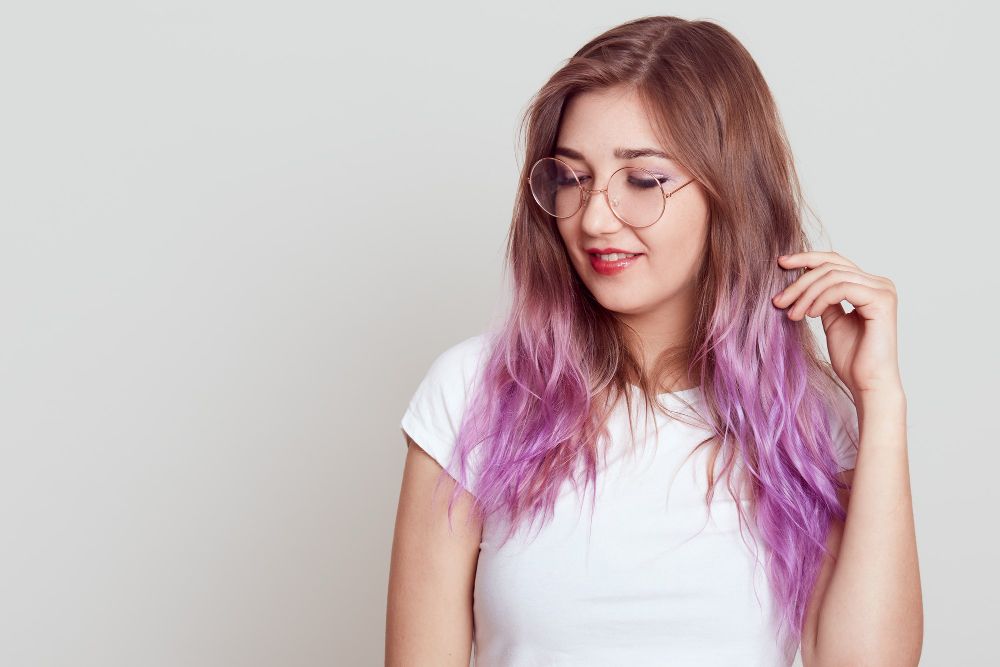
To bleach safely and repair hair effectively, it’s important to understand the science behind it. Knowledge is the first step to minimizing unnecessary damage.
The chemistry of bleaching
Simply put, hair bleaching is a chemical process designed to remove natural pigments (or residual dye) from hair, leaving a lighter base for subsequent coloring. The lighter the base, the more vibrant and pure the target color appears. Hair shades are often measured in “levels.”
Bleaching works by using an alkaline agent (usually containing ammonia) to open the hair cuticle, allowing an oxidizer (like hydrogen peroxide) to break down melanin, achieving a lighter color.
How Bleaching Works: The Chemical Reactions at Play
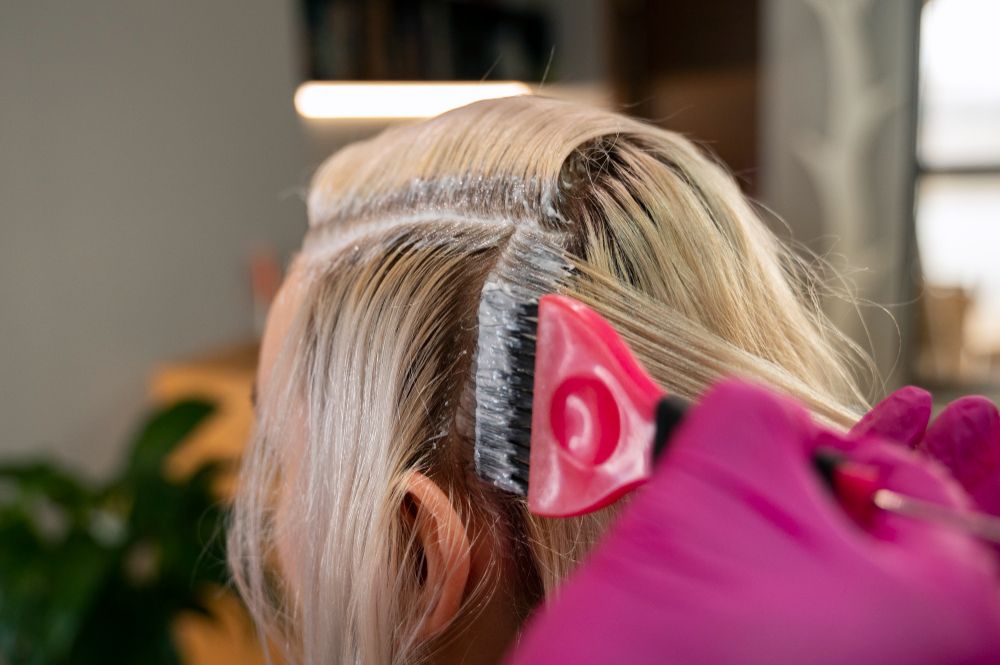
The process can be broken down into three key steps:
1. Opening the cuticle: Alkaline ingredients in the bleach (like ammonia or alternatives) swell and open the hair cuticle, acting like tiny doors that let the bleach penetrate the hair shaft.
2. Oxidizing the pigment: Once inside, the oxidizer (mainly hydrogen peroxide) reacts with melanin in the hair through an oxidation-reduction reaction, breaking it down into smaller, colorless molecules.
3. Achieving lightened hair: As melanin is decomposed, natural hair color fades—from dark brown or red to yellow or orange, eventually reaching pale yellow or nearly white—the classic bleach effect.
免費體驗
F8 Hair Regrowth Treatment
1 Minute Self-Registration
Date should not be before minimal date
Choosing the Right Bleach: Hair Stylists Say Hydrogen Peroxide Concentration is Key
Bleach products vary, but core ingredients are similar:
• Hydrogen peroxide: Main oxidizer; the concentration determines lightening strength and potential damage.
• Ammonia: Opens the cuticle for the oxidizer. Some products use ammonia-free alternatives for gentler results.
• Other ingredients: Stabilizers, preservatives, moisturizers, and sometimes hair-repairing components.
Higher peroxide levels lighten hair more effectively but also cause more damage. Choosing the wrong concentration can lead to breakage. Typical peroxide concentrations:
| Peroxide | Lightening | Hair Impact | Best For |
|---|---|---|---|
| 10 Vol (1–3%) | Slight lift; touch-ups or minor brightness adjustments | Gentle | Fine hair, subtle lift |
| 20 Vol (4–6%) | Medium lift, 1–2 levels | Mild damage | Average hair wanting lighter shades |
| 30 Vol (7–9%) | Strong lift, 2–3 levels | More damage | Healthy hair aiming for bright, light shades |
| 40 Vol (10–12%) | Maximum lift, 3+ levels; platinum effect | Severe damage, breakage likely | Strong, experienced hair (not recommended for DIY) |
Example: L’Oréal Paris Excellence Bleach Supreme is a popular at-home option, but always follow instructions carefully.
Risks After Bleaching: Chemical Burns, Irritation, or Hair Breakage
While bleaching can give dreamy color, it carries risks:
1. Hair damage: Bleach penetrates the hair, breaking down protein (keratin) and keeping cuticles open. This causes moisture and protein loss, leaving hair dry, rough, brittle, and prone to breakage—aka “straw hair.”
2. Scalp irritation or chemical burns: Ammonia and hydrogen peroxide can cause redness, itching, burning, or allergic reactions like dermatitis or blisters. Sensitive scalp or scalp conditions increase the risk.
3. Uneven color: Improper application—uneven bleach, inconsistent timing, or hair in varying condition—can cause patchy or brassy results.
Knowing these risks helps you prepare and care for hair properly.
Pre-Bleach Prep: Minimizing Damage
5.1 At-Home Hair Prep: Strengthen Before You Bleach
1–2 weeks before bleaching, focus on moisturizing and nourishing your hair:
• Deep-conditioning masks: 2–3 times a week; choose products with keratin, ceramides, or plant oils.
• Hair oils: Daily application on damp or dry hair for softness, moisture lock, and protection. Example: Split Fix™ Hair Oil (HairLust).
• Avoid other chemical treatments: No perms, straightening, or frequent dyeing for at least a month.
5.2 DIY Bleach Prep: Key Tips
• Skip washing 1–2 days before: Natural scalp oils protect the scalp from irritation.
• Patch test 48 hours prior: Apply a small mix on wrist/behind ear to check for reactions.
• Barrier protection: Apply petroleum jelly or thick cream along hairline, ears, and neck.
• Old clothes & cape: Protect your clothes from accidental bleach stains.
免費體驗
F8 Hair Regrowth Treatment
1 Minute Self-Registration
Date should not be before minimal date
Post-Bleach Care: Prevent Straw Hair & Hair Loss
Why hair becomes “straw-like”
Bleach breaks down melanin and damages the hair structure:
1. Cuticle damage: Alkaline agents lift, roughen, or strip the cuticle.
2. Keratin loss: Weakens hair fiber, reducing elasticity and strength.
3. Moisture loss: Open cuticles can’t retain water; chemical reaction further dries hair.
4. Lipid layer destruction: Natural oils are stripped, leaving hair unprotected.
5. Weakened internal structure: Repeated bleaching can hollow out the cortex and medulla.
Result: dry, frizzy, split, break-prone “straw hair.”
Does bleaching cause hair loss?
• Direct loss: Usually no—bleach mainly affects the shaft, not deep follicles. Healthy scalp = hair growth continues.
• Indirect effects:
1. Extremely fragile strands can break during brushing or styling, appearing like hair loss.
2. Scalp irritation or burns can temporarily affect follicles.
3. Pre-existing hair loss issues may worsen visually due to weakened strands.
Conclusion: Post-bleach repair is critical.
Maintaining Color & Hair Health After Bleach
Shampoo & conditioner
Avoid washing within 48 hours: pigment needs to stabilize. Use color-protecting products, such as Enriched Blonde™ HairLust set. Avoid sulfates (SLS/SLES): they strip color and natural oils. Also, use lukewarm or cool water; hot water accelerates fading.
Deep-care products
• Hair oils: Daily use (argan, coconut, squalane) tames frizz and locks moisture.
• Masks: 1–2 times per week, e.g., Kérastase Platinum Masque, for extreme post-bleach damage.
• Leave-in serums: Extra protection before styling.
Daily habits
Limit heat styling. if necessary, use lowest temperature and heat protectant (e.g., Thermal Shield™). Trim split ends every 6–8 weeks. Limit sun exposure; use hats or UV-protective products. Remember to avoid tight hairstyles that pull on fragile strands.
Pro Tips for Blonde Maintenance & Repair
• Purple/anti-yellow shampoo: 1–2 times weekly neutralizes yellow tones.
• Nighttime hair serums: Overnight repair while sleeping.
• Protein rebuilding treatments: Strengthen severely damaged hair with keratin masks (e.g., Protein Repair™).
• Deep nourishing oils: Weekly scalp & strand massage with oils wrapped in a warm towel. Products like Split Fix™ or O’right Purple Rose protect color and improve elasticity.
免費體驗
F8 Hair Regrowth Treatment
1 Minute Self-Registration
Date should not be before minimal date
Hong Kong Salon Bleach Prices (Reference)
| Service | Price Range | Notes |
|---|---|---|
| Single bleach (short hair) | $800–$1200 | Minor lift or light base |
| Single bleach (medium/shoulder) | $1200–$1800 | Shoulder-length hair |
| Single bleach (long hair) | $1800–$2000 | Past shoulders, more product/time |
| Special color | From $1500 | On bleached base; extra cost |
| Ombre | $1800–$2500 | Includes bleach + dye; varies by complexity/length |
| Highlights | From $1000 | Subtle, non-dramatic updates |
Actual prices vary—always confirm with your salon. Packages may include bleaching, dyeing, and basic care.
Emergency Hair Repair After Bleach
Even with precautions, hair may still become dry, frizzy, or break. Immediate and consistent repair is essential.
Protein rebuilding
• Salon treatments: High-concentration hydrolyzed keratin or repair molecules, heat-assisted penetration. Strengthens elasticity.
• At-home masks: Keratin, silk, wheat proteins. Apply evenly to damp hair (mid-length to ends) for 10–20 mins.
Deep oil treatment
• Nourishes hair, locks in moisture, replenishes lipids.
• Apply 1–2 times weekly; cover with warm towel for 30–60 mins; wash thoroughly afterward.
Scalp health
• Gentle cleansing; avoid harsh detergents.
• Daily scalp massage to improve circulation.
• Use serums with caffeine, biotin, or plant extracts to support follicle health.
4 Tips to Avoid Secondary Damage
1. No further bleaching or perming until hair fully recovers.
2. Minimize heat styling; use heat protectant.
3. Brush gently with a wide-tooth or wet hair comb.
4. Protect from UV with hats or UV-protective hair products.
免費體驗
F8 Hair Regrowth Treatment
1 Minute Self-Registration
Date should not be before minimal date
Fragile or Thinning Hair? Seek Professional Help
For severe bleach damage or hair loss, daily care may not be enough. Don’t wait—seek expert help. Post-inflammation recovery plus F8 Hair Regrowth Treatment can restore scalp health and prevent hair loss.
F8 Treatment benefits include:
• Low-energy phototherapy: Gently awakens follicle activity.
• Non-invasive, comfortable: Fits seamlessly into daily life.
• Noticeable results in 3 months: Improved scalp condition, new hair growth, thicker, healthier hair.
With scalp and follicles restored, hair regains strength. Combined with home care, you can safely color hair again without worry. Perfect Medical’s F8 treatment helps rebuild a healthy scalp and restore hair volume. First-time free trial slots available—sign up to experience it.
免費體驗
F8 Hair Regrowth Treatment
1 Minute Self-Registration
Date should not be before minimal date
FAQ

1. How long after bleaching can I dye again?
Wait 2–4 weeks to allow hair to recover and avoid further damage.
2. Can I perm after bleaching?
Not recommended; perming plus bleach severely damages hair.
3. Can pregnant women bleach?
Check with your doctor—no clear evidence, but chemicals may pose risk.
4. How to avoid pudding hair after bleach?
Touch up roots regularly, try gradient colors, or use hair accessories to mask.
5. How to reduce scalp irritation during bleach?
Skip washing 1–2 days prior, inform your stylist of scalp condition, use gentle products, and avoid direct scalp contact.