- Home
- Trend
- Weight Loss Strategies
- Acne Tips
- Hair Health Information
- Blemish Removal Tips
- Acne Scar Removal Tips
- Muscle Building Techniques
- Intimate Care Tips
- Postpartum Intimate Care
- Eye Bags Wiki
- Tips for Face Slimming
- Secret of Permanent Hair Removal
- Breast Enlargement Tips
- Cure to Snoring
- Marionette Lines
- Skin-Tightening Secrets

Autologous fat transfer breast augmentation is one of the most common breast enhancement procedures, alongside traditional implant surgery. By transplanting fat extracted from other parts of the body, the breast volume increases, resulting in fuller breasts and a cup-size boost. Compared to implants, fat transfer offers a more natural look and feel. But is this procedure suitable for everyone? Is it guaranteed to be safe? Today, we’ve invited a professional breast enhancement surgeon to explain the details. Ladies, get ready to take notes!

What is Autologous Fat Transfer Breast Augmentation?
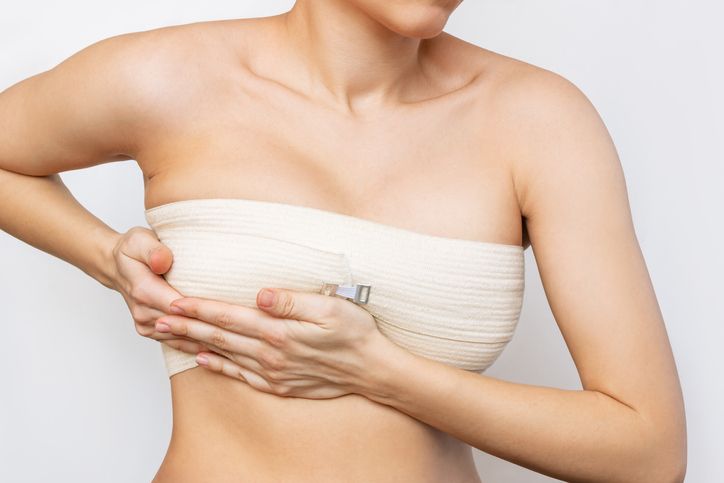
In recent years, fat transfer breast augmentation has become very popular among women. Many cosmetic clinics now offer it, and some people even believe it looks more natural than implants while reducing the risk of foreign body rejection.
As the name suggests, this procedure involves extracting excess fat from areas such as the abdomen, thighs, or buttocks. The fat is then processed using specialized techniques and injected into the breasts, thereby increasing volume. Many women also request body contouring at the fat extraction sites, allowing them to slim down problem areas while enhancing their breasts at the same time.
Since the fat comes from the patient’s own body, the risk of rejection is relatively low, and the grafted fat generally integrates well with the existing tissue, creating a more natural result. This is why more and more women are choosing fat transfer when seeking breast augmentation.
Who is a Good Candidate for Fat Transfer Breast Augmentation?
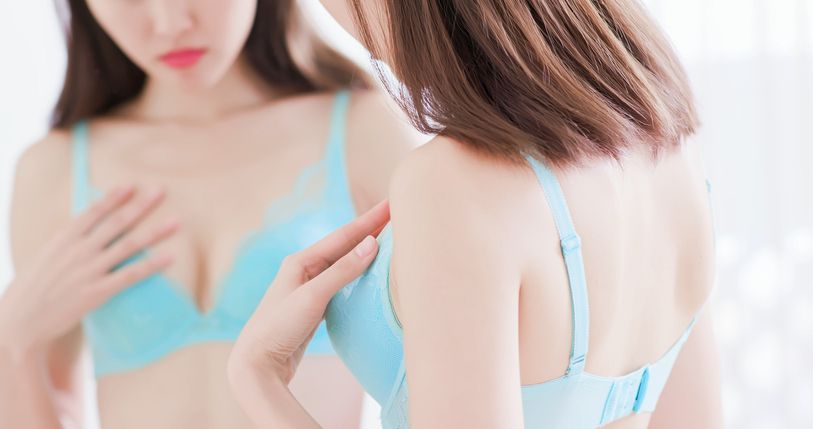
Compared to implants, fat transfer has many advantages. However, not every woman qualifies. The key requirements are: having sufficient fat for transfer, and addressing the individual’s breast concerns. That’s why thorough pre-surgery consultation with a doctor is crucial.
This procedure can address a variety of breast-related issues, both congenital and acquired:
1. Underdeveloped Breasts: Some women are genetically predisposed to having little breast tissue (commonly known as “flat chest”). Others may have small breasts or lack fullness in the upper chest. Fat transfer can restore volume and create a fuller, more feminine silhouette.
2. Postpartum Breast Sagging: Breastfeeding often causes glandular shrinkage and skin laxity, leading to sagging. Fat transfer can fill out the deflated areas. When combined with a breast lift, it can restore firmness and shape.
3. Breast Asymmetry: Many women have slight asymmetry, but in more severe cases, it can significantly affect appearance. Fat transfer can balance out the size difference while maintaining softness and a natural feel.
4. Post-Surgical Reconstruction: Women who have undergone partial mastectomy may use fat transfer to restore shape and volume. Unlike prosthetic inserts, fat grafting provides a more natural reconstruction.
免費體驗
B6 Bust Enhancement Treatment
1 Minute Self-Registration
Date should not be before minimal date
The Procedure Explained: The Two Keys to Success
Many women are interested in fat transfer but worry about the procedure. While it’s generally considered safer and more natural than implants, success still depends heavily on the surgeon’s skill. Poor technique may lead to failure and even severe consequences.
Here’s the step-by-step process and the two critical factors for success:
Step 1: Liposuction
Fat is harvested from areas with excess deposits (abdomen, thighs, buttocks, arms, etc.). Even slim women usually have enough fat for grafting. Modern liposuction techniques are minimally invasive, with shorter recovery times.
Step 2: Fat Purification (Key Factor #1)
The extracted fat cannot be injected immediately. It must first be processed via centrifugation to separate viable fat cells from blood, fluids, and debris. Proper purification is crucial for fat survival. Errors here reduce graft survival and compromise results.
Step 3: Fat Injection (Key Factor #2)
Purified fat is injected layer by layer into the breast to sculpt natural curves and fullness. Successful shaping relies on the surgeon’s aesthetic sense and precision. Injecting too much fat can cause necrosis, calcification, or unevenness. On average, about 70% of the transferred fat survives.
Doctor Answers: The 10 Most Common Questions
1. How many cup sizes can I increase with fat transfer?
Most women gain 1 to 1.5 cup sizes per procedure. Increasing more than 2 cups usually requires multiple sessions. Overly large augmentation can look unnatural.
2. Can I repeat fat transfer or switch to implants later?
Yes. Some women repeat the procedure to increase size or adjust results. Switching to implants is also possible, but always consult a doctor first.
3. Will the scars be obvious?
No. The incisions are tiny (about 0.2 cm, needle-sized) and usually hidden in natural folds. With proper care, they’re barely noticeable.
4. How long is the recovery?
Since it’s minimally invasive, recovery is quick. Mild swelling and discomfort may last 2–3 days, but most women can return to work within the same week.
5. Do I need breast massages afterward?
No. Unlike implants, fat is biocompatible and integrates naturally, so there’s no need for special massage.
6. How should I maintain results?
The first 3 months are critical for fat survival. Avoid dieting, and eat foods rich in protein and healthy fats to maintain breast volume.
7. Does fat transfer increase the risk of breast cancer?
There’s no evidence that it increases cancer risk. However, transferred fat may sometimes calcify, which can resemble tumors on X-rays. Regular screenings are recommended.
8. Will it affect breastfeeding?
No. Fat is injected around breast tissue, not into milk ducts, so future breastfeeding is unaffected.
9. Should I choose implants or fat transfer?
Implants allow for dramatic, long-lasting enlargement in one surgery, but come with larger scars and longer recovery. Fat transfer looks and feels more natural, but size increase is more limited and may require multiple sessions. The choice depends on personal goals and body type.
10. What are the possible side effects?
Though safer than implants, fat transfer still carries risks such as fat necrosis, calcification, uneven results, or partial fat loss. The success of the procedure relies heavily on the surgeon’s expertise.
Risks of Fat Transfer Breast Augmentation
1. Fat Loss: Since the procedure uses your own fat, the injected fat cells gradually merge with existing breast tissue. However, fat loss is possible—if the transferred fat is reabsorbed by the body, the breast size may eventually return to its original state.
2. Fat Calcification: If too much fat is injected at once, blood circulation may be restricted, leading to fat calcification. This can cause hard lumps in the breast, resulting in a foreign-body sensation and an unnatural feel. Although the risk is relatively low, the procedure must be performed by a qualified surgeon using the correct techniques.
3. “Stone Breasts”: In more severe cases of fat calcification, cysts or hardened masses may form inside the breast, making them feel hard, heavy, and stone-like. When this happens, additional surgery may be required to remove the calcified fat.
4. Wound Infection: Although fat transfer breast augmentation is minimally invasive, it still involves incisions and anesthesia. If the procedure is not carefully carried out, or if postoperative wound care is neglected, bacterial infection may occur, which in severe cases could trigger further complications.
5. Death: Yes—the most serious potential complication is death. Since fat transfer involves liposuction, there have been past cases of fatal surgical errors during liposuction. If fat accidentally enters the bloodstream during the process, it could cause fatal fat embolism. This is why anyone considering fat transfer breast augmentation must ensure the surgery is performed by a licensed, experienced surgeon, and fully understand the risks before proceeding.
免費體驗
B6 Bust Enhancement Treatment
1 Minute Self-Registration
Date should not be before minimal date
No Need to “Risk Your Life” — Non-Invasive Options Can Also Enhance Bust Size!
Most women want breast enhancement for a better silhouette and more defined curves—but there’s no need to risk your health for it. Non-invasive medical aesthetic treatments can also deliver visible breast enhancement without any incisions, scars, or pain.
If you want augmentation results similar to implants but don’t want surgery, the Perfect Medical B6 Breast Enhancement Treatment offers a comparable effect. By stimulating acupressure points related to breast development, it boosts blood circulation in the chest, accelerates mammary gland growth, and increases estrogen secretion—delivering noticeable enhancement results more efficiently.
This treatment also helps improve various breast concerns such as accessory breasts, asymmetry, sagging, or outward-spreading. Using specialized massage techniques, it repositions displaced breast fat back to the front, reshaping and lifting the bust for fuller, rounder contours—so you’ll never be called flat-chested again. Your cup size upgrades naturally, keeping your bust perky and full.
Want to experience breast enhancement results comparable to implants? It’s easy! Simply register, and you can enjoy a special trial offer for one B6 Breast Enhancement Treatment session—with visible results after just a single treatment.
免費體驗
B6 Bust Enhancement Treatment
1 Minute Self-Registration
Date should not be before minimal date
FAQ

What is the principle behind fat transfer breast augmentation?
This procedure involves extracting excess fat from other parts of the body, purifying it with centrifuge technology, and injecting it into the breasts to increase breast volume. Common donor sites include the abdomen, thighs, and buttocks. Many women also benefit from simultaneous body contouring, as the fat harvesting process naturally reduces stubborn fat in those areas. Since the procedure uses the patient’s own fat, the risk of rejection is low, and the results look more natural compared to implants.
Which breast concerns can fat transfer improve?
Fat transfer can address issues such as underdeveloped breasts, post-pregnancy sagging, asymmetry, and loss of breast tissue. For women born with minimal breast fat (“naturally flat-chested”), the procedure can restore fullness and feminine curves. Postpartum mothers often experience glandular shrinkage and sagging after breastfeeding; fat transfer can fill hollow areas, and when combined with a breast lift, restore perkiness. It is also an option for women with severe asymmetry or those who had part of the breast removed due to illness, offering a reconstructive solution with a more natural look.
How long is the recovery period?
Since fat transfer is less invasive than traditional implant surgery, recovery time is relatively short. Aside from some swelling and mild discomfort in the first 2–3 days, most women can return to daily activities and even work shortly after, with minimal disruption to their routine.
What are the side effects of fat transfer breast augmentation?
The risks can be significant. Over-injecting fat can lead to calcification, causing lumps or cysts that feel unnatural. In severe cases, breasts may harden like “stone breasts,” requiring corrective surgery. Although the procedure leaves small incisions, poor surgical execution or improper aftercare can result in infections and other complications. In rare but serious cases, fat embolism can occur, which can be fatal.
How do I know if I am a suitable candidate?
Even though it’s categorized as breast augmentation, fat transfer differs from implants in terms of method, results, and aftercare. Women considering the procedure should first consult a qualified surgeon, who will assess whether you have sufficient fat for transfer, and whether the outcome will align with your expectations. Only after a thorough consultation and understanding of the potential risks should you decide whether to proceed.