- Home
- Trend
- Weight Loss Strategies
- Acne Tips
- Hair Health Information
- Blemish Removal Tips
- Acne Scar Removal Tips
- Muscle Building Techniques
- Intimate Care Tips
- Postpartum Intimate Care
- Eye Bags Wiki
- Tips for Face Slimming
- Secret of Permanent Hair Removal
- Breast Enlargement Tips
- Cure to Snoring
- Marionette Lines
- Skin-Tightening Secrets

Temple filler addresses hollow temples, improving facial contours and overall balance. Common methods include autologous fat transfer, hyaluronic acid injections, and L-lactic acid injections, with some treatments combining non-invasive techniques to achieve optimal safety and natural-looking results.
Filling the temples not only enhances appearance but also softens facial angles, creating a rounder, smoother contour for natural lifting and rejuvenation. In face-reading traditions, full temples symbolize harmonious relationships and happiness, making this treatment popular among beauty-conscious and sophisticated individuals.
Below, we explore 4 popular temple filler procedures, their cost-effectiveness, precautions, and contraindications, helping you safely sculpt a three-dimensional facial contour.

How Temple Filler Works: From Face-Reading to Aesthetic Restoration
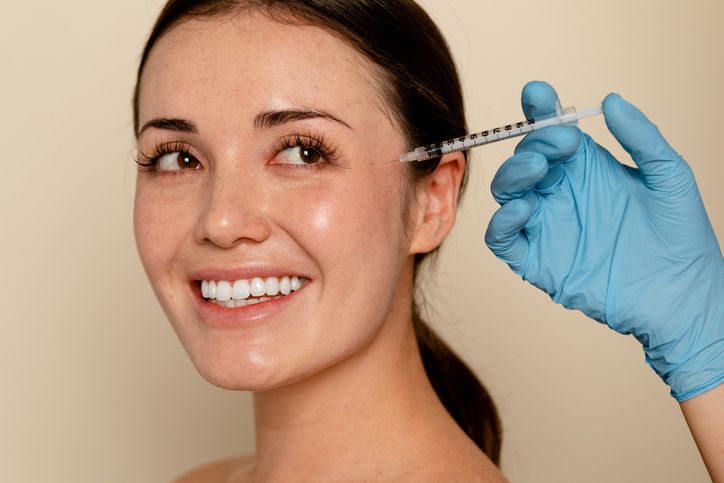
The temple area lies between the brow bone, cheekbone, and outer eye corner, and significantly impacts facial lines and depth. In face-reading, temples, or the “marital palace,” symbolize social and emotional harmony, so hollow temples affect both facial contours and perceived vitality. Hollow temples can make the face appear sharp, tired, or unbalanced, sometimes exaggerating the prominence of cheekbones.
Modern aesthetic medicine provides safe and effective solutions, commonly using hyaluronic acid, autologous fat transfer, or L-lactic acid injections. These fillers create support layers in the temples, restoring volume while stimulating collagen production for lifting and firming. Full temples result in natural, smooth facial lines, balancing the overall proportions and enhancing a youthful appearance.
4 Popular & Cost-Effective Temple Filler Procedures

1. Hyaluronic Acid Injection: Fast & Lightweight
Hyaluronic acid (HA) is the most common and safe option, instantly filling hollow temples and smoothing facial lines.
• Pros: Immediate results, minimal downtime; adjustable shape; reversible with hyaluronidase.
• Cons: Lasts 6–12 months, requires repeat sessions; mid-to-high price range.
• Ideal for: Those seeking quick improvement, mild hollows, and natural results.
• Summary: High safety and adjustability make HA filler a great entry-level choice.
2. Autologous Fat Transfer: Natural & Long-Lasting
Fat is harvested from the abdomen or thighs, purified, and injected into the temples.
• Pros: Uses own fat, minimizing rejection; long-lasting results once fat survives; dual benefit of slimming and facial enhancement.
• Cons: Minimally invasive surgery with swelling recovery; fat survival depends on technique and individual factors.
• Ideal for: Moderate to severe temple hollows or those seeking long-term results.
• Summary: Despite complexity, one session can last years, offering excellent long-term cost-effectiveness.
3. L-Lactic Acid (Maiden Needle): Collagen Boosting
L-lactic acid stimulates collagen regeneration, filling temples while activating skin self-repair.
• Pros: Natural results, lightweight texture, gradual shaping; improves skin elasticity and firmness over time.
• Cons: Not immediate; results appear over 1–2 months; requires multiple sessions.
• Ideal for: Those wanting improved skin texture and elasticity, with natural firming.
• Summary: Long-term skin quality improvement makes this a high-return option for patient, maintenance-focused individuals.
4. Collagen or Hybrid Fillers: Soft & Natural
Some clinics offer collagen or hybrid fillers (e.g., HA + collagen), combining soft texture with instant volumizing effects.
• Pros: Soft, integrates naturally with tissue; ideal for detailed areas like brow bone and outer eye.
• Cons: Shorter duration (3–6 months); mild allergic reactions possible.
• Ideal for: Precision adjustments or last-minute cosmetic enhancement before events or photoshoots.
Choosing the Doctor & Technique: Key to Success
Even perfect fillers require professional skill and aesthetic judgment. A qualified physician can adjust injection layers according to brow, cheekbone, and facial structure for a natural, three-dimensional outcome.
• Recommendation: Ask about experience, filler brands, and procedure methods.
• Note: Professional technique impacts safety, improvement, and longevity.
免費體驗
Thermage FLX 5th Generation Face Lift Treatment
1 Minute Self-Registration
Date should not be before minimal date
Temple Filler Guide: Precautions, Contraindications, & Care
1. Filler Material Considerations
Effectiveness depends on material choice. Common options: HA, autologous fat, L-lactic acid. Consider:
• Safety: Prefer medically certified, low-rejection materials.
• Durability: HA shorter-lasting; fat and L-lactic acid longer-lasting.
• Skin type & needs: Thin skin or poor circulation requires professional assessment.
• Facial harmony: Fillers must blend naturally with brow, cheekbone, and eye corners for smooth, lifted contours.
2. Standard Procedure: Safety & Precision
Although minimally invasive, each step affects results:
1. Pre-treatment evaluation: Personalized plan based on temple hollowing, facial contours, and face-reading features.
2. Anesthesia & filler injection: Local anesthesia applied; filler injected precisely.
3. Shaping & adjustment: Gentle massage ensures even, natural distribution.
3. Contraindications & Risks
Avoid or postpone filler if:
• Allergies: To HA, anesthesia, or filler ingredients.
• Medical conditions: Bleeding disorders, autoimmune diseases, uncontrolled diabetes, skin infections.
• Pregnant or breastfeeding: Wait until safe.
Also consult a physician if prior injection treatments caused rejection or severe inflammation.
4. Safety Risks & Side Effects
Temple filler is low-risk but may involve:
• Swelling, bruising: Common, usually resolves in days.
• Infection: Ensure sterile technique and post-care compliance.
• Filler displacement or unevenness: Requires skilled injection and careful post-care.
• Vascular complications (rare): Misplaced filler can have serious consequences. Choose experienced physicians.
5. Post-Treatment Care & Physician Expertise
Follow instructions for optimal results:
• Avoid massage, strenuous exercise, and high heat.
• Use ice packs as advised to reduce swelling.
• Eat a light diet, supplement vitamin C and protein for recovery.
• Regular follow-ups ensure filler stability.
Key principle: Choose a qualified, experienced physician and communicate clearly before treatment. Safety is paramount.
Skip Temple Fillers! Try Hong Kong’s Most Cost-Effective Skin Tightening & Rejuvenation: Perfect Medical Thermage FLX 5th Generation Face Lift Treatment
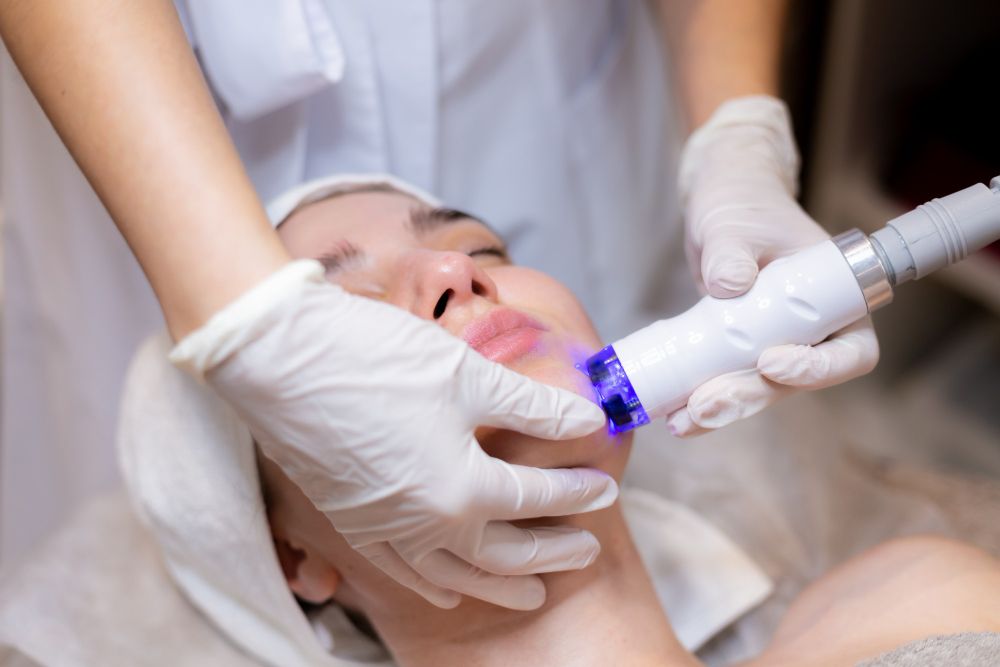
Temple fillers are popular but carry potential side effects. For all hollow facial areas, try Perfect Medical Thermage FLX, a professional, non-invasive treatment that restores volume, smoothness, and firmness quickly.
• 100% painless and non-invasive: Patented monopolar RF energy reaches the 4.3mm SMAS layer, gently heating tissue for instant lift without harming skin.
• Promotes collagen production, improves dryness, and stabilizes water-oil balance, improving skin from the inside out.
Book now for professional skin analysis and a comfortable treatment experience.
免費體驗
Thermage FLX 5th Generation Face Lift Treatment
1 Minute Self-Registration
Date should not be before minimal date
FAQ

Is temple filler painful?
Local anesthesia is applied; discomfort is mild.
How long do results last?
Depends on filler: HA 6–12 months, autologous fat long-lasting.
Which is better, HA or fat?
Both have pros and cons; choice depends on personal needs.
How much does temple filler cost?
Costs vary by material and physician; consult a professional.
Will fillers feel stiff?
Mild stiffness may occur initially, usually resolves in a few days.