- Home
- Trend
- Weight Loss Strategies
- Acne Tips
- Hair Health Information
- Blemish Removal Tips
- Acne Scar Removal Tips
- Muscle Building Techniques
- Intimate Care Tips
- Postpartum Intimate Care
- Eye Bags Wiki
- Tips for Face Slimming
- Secret of Permanent Hair Removal
- Breast Enlargement Tips
- Cure to Snoring
- Marionette Lines
- Skin-Tightening Secrets

Laugh lines don’t discriminate by age, leaving beauty enthusiasts frustrated. The main causes are skin aging, dehydration, and collagen loss. This article breaks down the causes of laugh lines and shares targeted solutions to reduce them effectively.

What Are Laugh Lines?
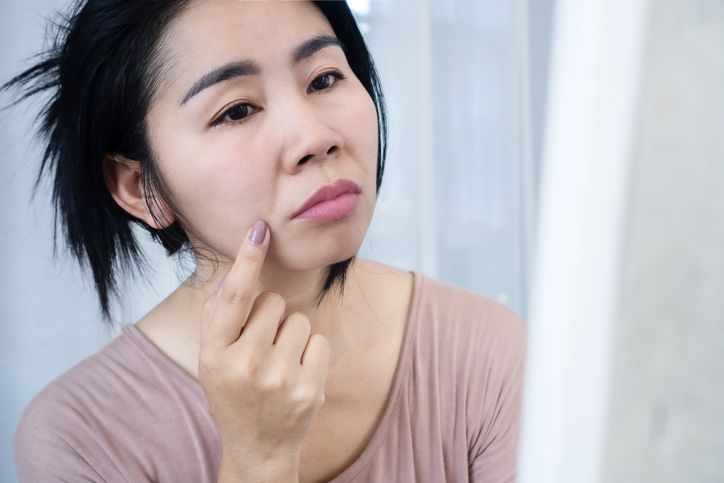
Laugh lines are basically nasolabial folds—there’s no difference. They generally run from the sides of the nose down to the corners of the mouth. When smiling, these lines become more visible as thin, worm-like grooves. The main reason laugh lines form is insufficient density in deep skin tissues. After age 25, collagen loss accelerates, making it difficult for the skin to maintain youthful hydration, plumpness, and firmness. Once nutrients and water are lacking, depressions form on the skin surface—these are wrinkles, including our focus: laugh lines.
How to Self-Assess the Severity of Laugh Lines
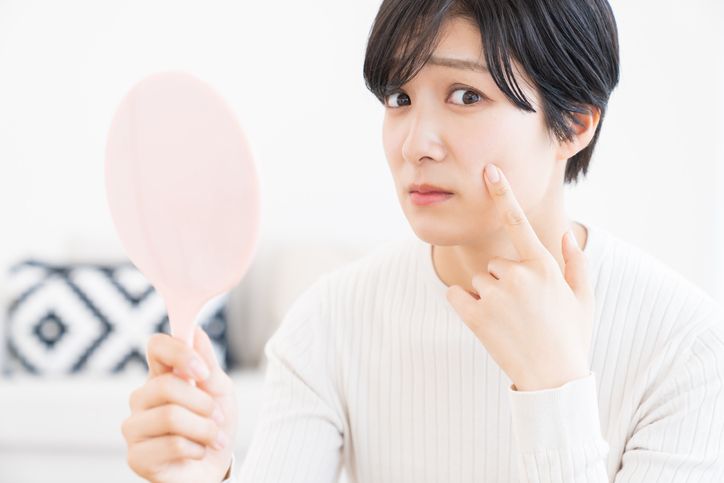
To see if you have laugh lines, observe your face when smiling vs. not smiling. If lines only appear when lifting the mouth corners, it’s minor. But if the folds remain even after smiling or appear static around the mouth, these are deep nasolabial folds needing professional masks or aesthetic treatments. Another practical test: check where makeup tends to settle during daily application. If it frequently cakes around the sides of the nose and laugh lines, it’s a clear sign of pronounced folds.
免費體驗
Thermage FLX 5th Generation Face Lift Treatment
1 Minute Self-Registration
Date should not be before minimal date
Are Laugh Lines Only for the Elderly?
Many think only middle-aged or older people develop laugh lines—but that’s not true. Laugh lines, marionette lines, forehead wrinkles, and eye lines can be divided into static and dynamic wrinkles. Static lines result from repeated facial expressions combined with dry, less elastic skin that cannot fully recover. Dynamic wrinkles, common in younger people, appear due to expressive facial movements. Over time, these dynamic wrinkles can evolve into static, aging lines.
Which Type of Laugh Lines Do You Have? 3 Types Explained
1. Congenital/Depressed Type:
Genetic or structural features (high cheekbones, nasal base, protruding upper jaw, underdeveloped midface) can lead to permanent folds. Lack of attention to chewing or swallowing habits may worsen the lines.
2. Muscle-Induced Type:
Overactive facial muscles from frequent or exaggerated expressions can leave dynamic lines, which over time evolve into deep folds. Facial muscles, like other muscles in the body, can become overly firm with repeated use, making existing depressions more pronounced.
3. Sagging/Aging Type:
Caused by sagging facial muscles, these folds create a “worried” appearance, hence also called “distressed lines.” Collagen loss leads to drooping apple cheeks, making the face look older. Correcting this type requires filling facial depressions and lifting the cheeks with targeted injections.
5 Main Causes of Laugh Lines
1. Genetics:
Congenital laugh lines can be inherited from parents with pronounced folds or expressive wrinkle-prone traits.
2. Collagen Loss:
Collagen maintains skin hydration and firmness. After 25, collagen regeneration slows, accelerating wrinkle formation.
3. Facial Muscles:
Overactive facial muscles contribute to dynamic lines, which eventually become static. Inactive muscles, combined with exposure to pollutants and gravity, also accelerate sagging.
4. Stress:
Physical and mental stress can lead to drooping apple cheeks and deepening folds. Everyday postures like resting your face on your hands or sleeping on your side contribute to this effect.
5. Irregular Lifestyle:
Poor habits like late nights, smoking, drinking, and overeating damage metabolism and circulation, accelerate skin aging and the appearance of laugh lines.
免費體驗
Thermage FLX 5th Generation Face Lift Treatment
1 Minute Self-Registration
Date should not be before minimal date
Ways to Reduce Laugh Lines: Products & Facial Massage
1. Nasolabial Fold Patches: These focus on filling depressions around laugh lines. Some come with full-face masks for enhanced wrinkle reduction. User experiences vary, so purchase based on personal needs.
2. Microneedle Masks: Containing soluble micro-needles with collagen and nutrients, they deliver active ingredients deeper into the skin. Experiences differ—some feel a slight prick, leaving tiny microchannels.
3. Moisturizing & Anti-Aging Skincare: Hydration is key. Look for products with collagen, hyaluronic acid, or other hydrating agents. Anti-wrinkle functionality is a bonus for tackling both hydration and aging.
4. Sun Protection: Only certain hours’ sunlight is beneficial. UV exposure accelerates collagen breakdown, so apply sunscreen consistently and use umbrellas or hats for extra protection.
5. Massage Techniques: After applying skincare products, gently lift the face using your fingers or a massage tool. Place your index fingers on the sides of the nose, press toward the cheekbones, and hold at the temples without rubbing back and forth. Repeat for effective lifting.
Medical Treatments: 4 Professional Options
1. Oral Laser: Targets laugh lines from both inside and outside, stimulating collagen and filling depressions. Results may vary depending on skin type.
2. Laugh Line Injection: A facial filler procedure delivering collagen, hyaluronic acid, or botulinum toxin around folds. DIY injections are risky—professional treatment is recommended.
3. Ultrasound Lifting: Heat penetrates the skin to tighten and lift, delaying sagging. Post-procedure redness and swelling are normal; sensitive skin may take longer to recover.
4. Thread Lifting: Minimally invasive surgery using subcutaneous threads with hooks to lift skin. Provides immediate results but carries higher risk and requires careful aftercare.
Thermage FLX 5th Generation Face Lift Treatment: Non-Invasive, Pain-Free Anti-Wrinkle Solution
Laugh lines age the face and affect confidence. For a one-step, effective wrinkle reduction and lifting solution, we recommend Perfect Medical Thermage FLX 5th Generation Face Lift Treatment.
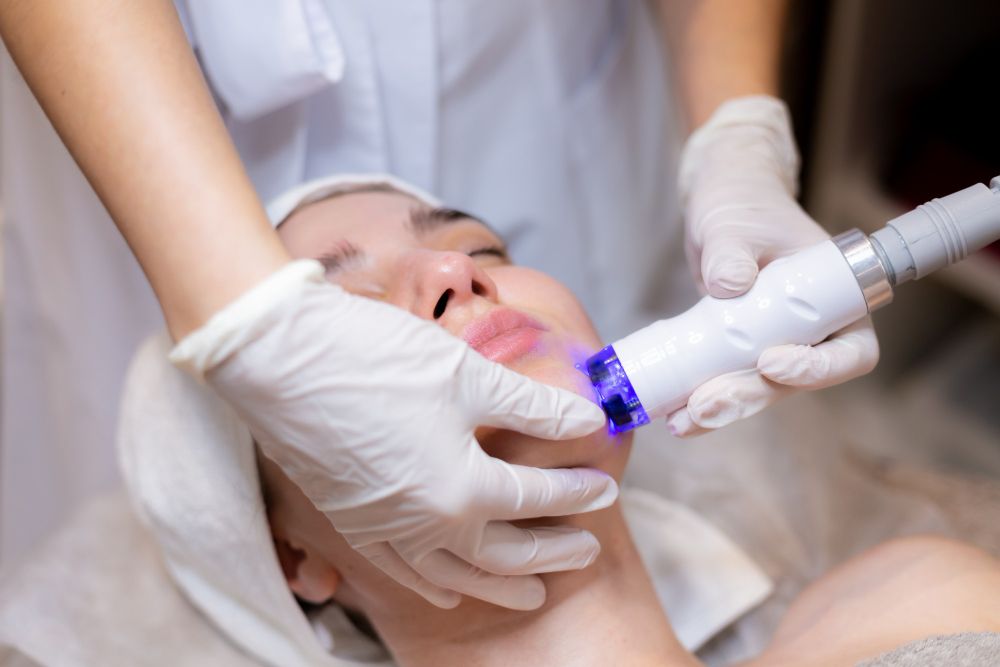
This advanced technology uses radiofrequency energy to lift sagging skin, stimulate collagen production, and restore youthful contours. It tightens skin, reduces nasolabial folds and marionette lines, and improves skin firmness. The treatment is non-invasive, pain-free, and suitable for sensitive skin. Depending on skin condition, a few sessions provide long-lasting results.
免費體驗
Thermage FLX 5th Generation Face Lift Treatment
1 Minute Self-Registration
Date should not be before minimal date
FAQ

Where are laugh lines located?
Sides of the nose and around the corners of the mouth.
Why are laugh lines also called nasolabial folds?
In Chinese facial analysis, these lines appear on either side of the nose and can look “stern” or commanding, hence the alternate name.
Does everyone have laugh lines?
Most people have them to some degree; depth varies individually.
At what age do laugh lines appear?
Typically after 40, but younger people may develop dynamic lines that later become static with age.
How to treat nasolabial folds?
Start with lifestyle improvements, skincare, and facial massage. If persistent, professional aesthetic treatments like Thermage FLX can provide effective lifting and wrinkle reduction.